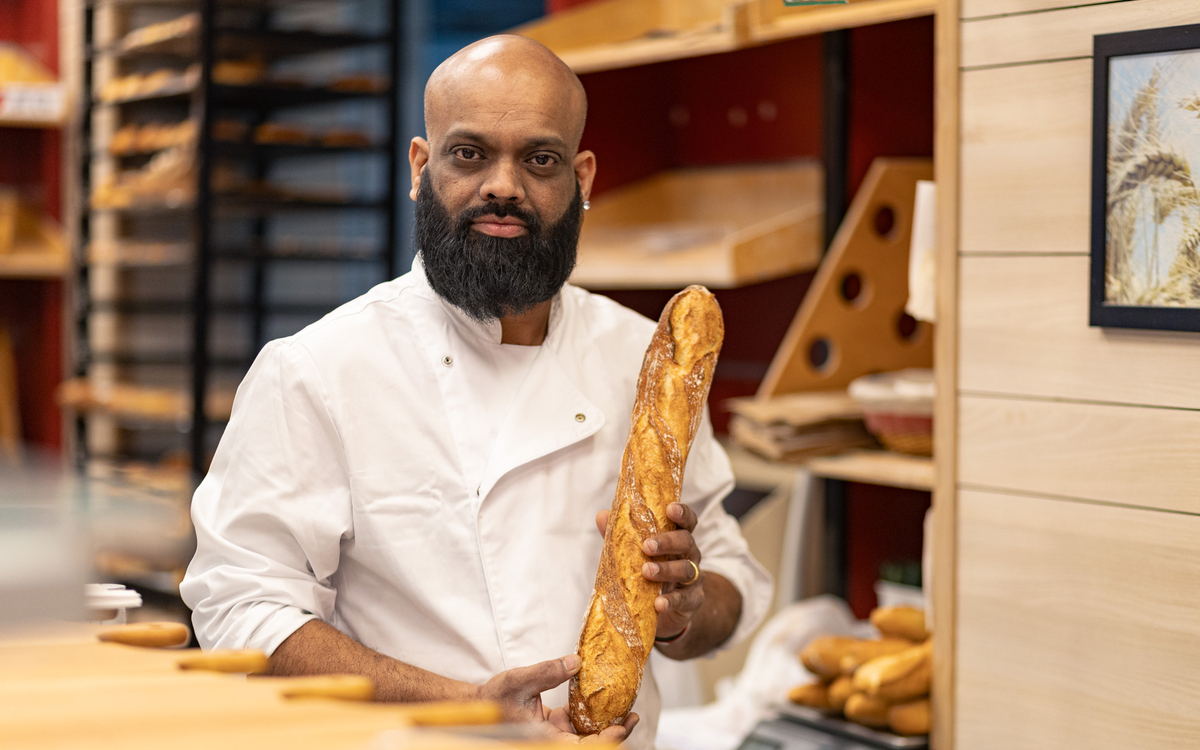
The Quest for Paris's Best Baguette: Élysée Palace Supplier and Beyond
In the heart of Paris, where culinary excellence is a way of life, few things command as much reverence as the humble baguette. This iconic loaf, with its crisp crust, airy crumb, and distinctive aroma, is more than just bread; it's a symbol of French identity, history, and daily ritual. Parisians take their baguettes seriously, and the annual "Grand Prix de la Baguette de Tradition Française de la Ville de Paris"—more commonly known as the Concours de la meilleure baguette de Paris—is the ultimate testament to this passion. This prestigious competition doesn't just crown the
meilleure baguette Paris has to offer; it bestows upon the victor the extraordinary honour of supplying the Élysée Palace, the official residence of the French President, for an entire year.
A Storied Tradition: The Grand Prix de la Baguette
Established in 1994 by the City of Paris, in collaboration with the Confédération Nationale de la Boulangerie-Pâtisserie Française (CNBBPF) and the Syndicat des Boulangers du Grand Paris, this annual contest has become a cornerstone of Parisian culinary tradition. Its full, official name, "Grand Prix de la Baguette de Tradition Française de la Ville de Paris," underscores its dedication to preserving the authenticity of the traditional French baguette. The competition is not merely a taste test; it's a rigorous examination designed to identify the artisan who best embodies the spirit and skill required to produce a truly exceptional traditional French baguette, adhering strictly to the principles of the 1993 Décret Pain, which dictates that "traditional" baguettes must be handmade using only wheat flour, water, salt, and yeast or leaven.
Each spring, hundreds of dedicated Parisian bakers submit their finest creations, hoping to earn the coveted title. The contest serves as a powerful reminder of the baguette's cultural significance and the unwavering commitment of Parisian bakers to uphold centuries-old traditions. Winning isn't just about the prize money; it's about eternal bragging rights and an immediate surge in reputation that can transform a local boulangerie into an international sensation.
The Art and Science of Judging the Meilleure Baguette
The path to crafting the
meilleure baguette Paris can boast is fraught with precise measurements and exacting standards. To even qualify for the competition, baguettes must meet stringent physical requirements: they typically need to measure between 55 and 65 centimetres in length and weigh between 250 and 300 grams. Furthermore, specific regulations govern salt content, promoting public health without compromising flavour. The competition is held at the Chambre professionnelle des artisans boulangers-patissiers on Île Saint-Louis, a fittingly historic location for such a hallowed event.
The judging process itself is a meticulous affair, designed to ensure absolute fairness and objectivity. Submissions are numbered, ensuring complete anonymity for the bakers. A diverse jury, comprising baking professionals, specialized journalists, and, since 2020, six randomly selected Parisians, meticulously evaluates each baguette. This blend of expert knowledge and civilian palate ensures a well-rounded assessment.
The baguettes are judged on five critical criteria, each contributing to the overall score (typically between 0 and 4):
- Cuisson (Baking Quality): The evenness and depth of the crust's colour, indicating proper baking.
- Aspect (Appearance): The overall visual appeal, including shape, scoring, and a pleasing golden-brown hue.
- Odeur (Smell): The aromatic complexity, a tell-tale sign of proper fermentation and quality ingredients.
- Mie (Crumb): The texture and structure of the interior – its elasticity, the size and distribution of its air pockets (aeration).
- Goût (Taste): The ultimate test, evaluating the balance of flavours, sweetness, and saltiness, and its lingering quality.
This rigorous scrutiny ensures that only the truly exceptional loaves progress through the rounds, culminating in the selection of the year's best. To delve deeper into what makes a winning loaf, consider exploring
How Paris Judges the Meilleure Baguette: Criteria for Perfection.
The Élysée Connection: A Prize Beyond Compare
For the triumphant baker, the rewards extend far beyond a medal and a €4,000 cash prize. The most prestigious honour is the contract to supply daily baguettes to the Élysée Palace for one year. Imagine the pride of knowing your bread graces the tables of state dinners and accompanies the President's morning coffee. This unparalleled recognition not only provides a steady, high-profile client but also serves as an extraordinary marketing boon. Queues immediately form outside the winning boulangerie, sometimes stretching down the block, as locals and tourists alike flock to taste the bread deemed worthy of the President.
While this annual honour remains a core part of the prize, it's worth noting a subtle shift in Élysée Palace procurement for broader, longer-term supply. Since 2013, a separate system of public market tenders has been established for various official administrations, including the Élysée. A notable example is Ridha Khadher, the winner of the contest in 2013, who subsequently secured a significant public procurement contract in 2014, becoming, as of 2018, the sole supplier for *that specific market*. This means that the annual Grand Prix winner still proudly supplies the Presidential Palace for a year, enjoying unparalleled visibility and prestige, even as the Élysée may also engage in separate, larger tenders for its ongoing bread needs. This dual system further underscores the French commitment to both artisanal excellence and structured public procurement.
Beyond the Win: Impact and Legacy
Winning the Grand Prix de la Baguette transforms a bakery almost overnight. The influx of customers, both local and international, can significantly boost turnover and elevate the artisan to national, and even global, celebrity status. Ridha Khadher, for instance, became a symbol of successful integration and even accompanied President Emmanuel Macron on a state visit to Tunisia, showcasing the far-reaching impact of his culinary achievement.
The contest not only celebrates individual talent but also plays a vital role in preserving and promoting French baking traditions. It encourages excellence, fosters healthy competition among artisans, and ensures that the art of making a truly authentic baguette continues to thrive in the modern era. The widespread media coverage surrounding the competition keeps the focus on artisanal quality and reminds the public of the difference between mass-produced loaves and handcrafted masterpieces. For a deeper dive into the broader impact of this esteemed competition, explore
Paris Baguette Grand Prix: Fame, Fortune, and French Tradition.
Your Own Quest for the Meilleure Baguette in Paris
While only one bakery can claim the official title each year, the beauty of Paris lies in its countless boulangeries, each striving for perfection. For those seeking their own ideal baguette, here are some tips:
- Look for "Boulangerie Artisanale": This designation often indicates that the bread is made on-site from scratch, adhering to traditional methods.
- Observe the Crust: A good baguette should have a deep golden-brown, almost caramelised crust, often with slight variations in colour. It should be crisp, not chewy.
- Listen to the Sound: Gently tap the baguette. It should produce a hollow, resonant sound, indicative of a well-baked crust and airy interior.
- Inquire About Baking Times: Many boulangeries bake in batches throughout the day. Asking when the next batch will be fresh out of the oven ensures you get the optimal experience.
- Don't Be Afraid to Experiment: Every Parisian has their favourite. Explore different neighbourhoods and bakeries until you find the one that speaks to your palate.
The quest for the
meilleure baguette Paris has to offer is a delightful journey, whether you're following the footsteps of the Élysée Palace supplier or simply exploring the myriad of artisanal bakeries scattered across the city. It's an experience that connects you directly to the heart of French culture, one perfectly crisp, fragrant bite at a time.