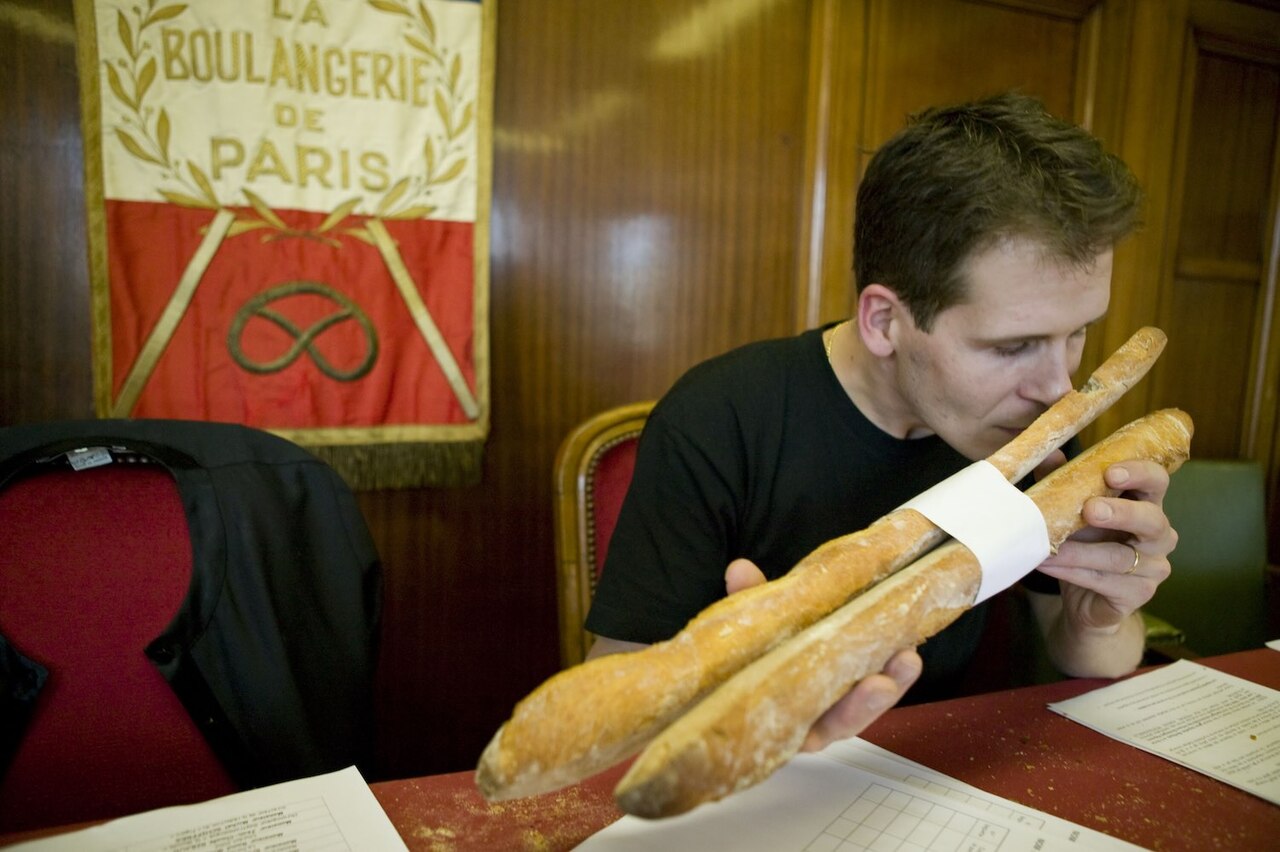
How Paris Judges the Meilleure Baguette: Criteria for Perfection
In the culinary heart of Paris, the baguette is more than just bread; it's an institution, a daily ritual, and a symbol of French gastronomic pride. Every year, the city hosts a prestigious competition that sets the gold standard for this iconic loaf: the Grand Prix de la Baguette de Tradition Française de la Ville de Paris, more commonly known as the search for the
meilleure baguette Paris. This annual contest isn't just about bragging rights; it's a rigorous examination of craftsmanship, tradition, and taste, culminating in one baker being crowned the champion and earning the immense honour of supplying the Élysée Palace.
The Grand Prix de la Baguette: A Parisian Tradition with Deep Roots
Established in 1994 by the City of Paris, with the invaluable support of the Confédération nationale de la boulangerie-pâtisserie française, the Grand Prix was conceived to preserve and celebrate the authentic French baguette. Its origins are deeply intertwined with the 1993 "Décret Pain," a pivotal decree that legally defined the "traditional French baguette." This legislation dictates that a true "baguette de tradition" must be made solely from four ingredients: wheat flour, water, salt, and yeast or a natural leaven. No additives, no preservatives, no shortcuts. This commitment to purity ensures that the competing baguettes honour centuries of baking heritage.
Each year, the competition draws hundreds of Parisian boulangers, each vying for the coveted title. The initial rounds of judging take place in the professional chambers of artisan bakers and pastry chefs, historically nestled on the charming Île Saint-Louis. Here, under conditions of strict anonymity, the journey to find the absolute meilleure baguette in Paris begins, transforming a simple loaf into a work of art evaluated with unparalleled scrutiny.
Beyond Appearance: The Strict Criteria for Baguette Perfection
The path to being crowned the best baguette is paved with exacting standards. Before a single crumb is tasted, each entry must meet precise physical specifications designed to reflect the ideal traditional baguette:
* **Dimensions:** Baguettes must measure between 55 and 65 centimeters in length.
* **Weight:** Each loaf must weigh between 250 and 300 grams.
* **Salt Content:** A critical health and taste factor, the salt content is strictly limited to 18 grams per kilo of flour. This reflects a broader trend towards healthier eating while ensuring the baguette retains its characteristic flavour.
To ensure fairness and impartiality, all baguettes are assigned a number upon submission, guaranteeing that the jury evaluates each entry blindly, with no knowledge of its origin. Once these preliminary checks are passed, the real assessment begins, focusing on five core criteria, each scored between 0 and 4:
1. **Cuisson (Baking Quality & Crust):** This evaluates the colour, consistency, and texture of the crust. A perfect baguette should boast a beautiful golden-brown hue, often with darker caramelised notes on the ridges of the grigne (the slashes on top). The crust should be wonderfully crisp and crackle appealingly when broken, yet not be overly tough or burnt.
2. **Mie (Crumb Texture & Aeration):** This refers to the interior of the baguette. Judges look for a creamy, slightly off-white colour, indicating a natural fermentation process. The texture should be open and irregular, with varying sizes of air pockets (alveolage) – a hallmark of proper kneading, proofing, and baking. It should be tender, slightly chewy, and elastic, never dense, gummy, or powdery.
3. **Goût (Taste):** The ultimate test. A truly exceptional baguette will offer a complex, balanced flavour profile. It should taste distinctly of wheat, with subtle hints of fermentation, a slight sweetness, and a well-rounded, not overly salty, finish. There should be no bitterness, sourness (unless intended by a specific sourdough), or blandness.
4. **Odeur (Aroma):** The smell of a fresh baguette is intoxicating. Judges assess the aroma for inviting notes of toasted wheat, yeast, and a general fresh, warm, and inviting fragrance. It should smell clean and authentic, free from any off-notes.
5. **Aspect (Appearance):** While not purely aesthetic, this criterion judges the overall visual appeal. Beyond the golden crust, it includes the regularity of the loaf's shape, the evenness of its rise, and the artistry of the grigne. A well-crafted baguette looks inviting and promises deliciousness even before the first bite.
The Esteemed Jury: A Blend of Expertise and Public Palate
The delicate task of judging hundreds of baguettes falls upon a carefully selected panel. This diverse jury comprises a mix of seasoned professionals and ordinary Parisians, ensuring a comprehensive evaluation from both expert and consumer perspectives. The panel typically includes:
* **Professional Bakers:** Masters of their craft who understand every nuance of baguette production.
* **Specialized Journalists:** Food critics and writers who bring an informed palate and an objective viewpoint.
* **Elected Officials:** Representatives of the City of Paris, underscoring the competition's civic importance.
* **Randomly Selected Parisians:** A brilliant addition since 2020, allowing six ordinary citizens to participate. This democratic touch ensures the winning baguette resonates with the everyday Parisian who consumes this staple daily.
This blend of technical expertise and public opinion ensures that the chosen
meilleure baguette Paris truly embodies perfection, satisfying both the strict standards of traditional baking and the expectations of the discerning public. The process is meticulous, with judges often tasting dozens of baguettes in a single session, each one scored meticulously until a consensus on the top entries emerges.
The Prize of Perfection: More Than Just Bragging Rights
The honour of winning the Grand Prix de la Baguette is immense, offering far more than a simple accolade. The laureate receives:
* **A prestigious medal.**
* **A cash prize of €4,000.**
* **The unparalleled contract to supply baguettes to the Élysée Palace** for an entire year. This means the President of France, along with his staff and guests, will daily enjoy the champion's creation. The Élysée contract is not merely symbolic; it became a public procurement contract in 2013, famously won by Ridha Khadher in 2014, who, as of 2018, confirmed his status as the sole supplier to the presidential palace. This aspect elevates the competition, linking a humble loaf to the highest echelons of French power and tradition.
* **A dramatic increase in business and international recognition.** Winning this title typically leads to queues forming outside the boulangerie, skyrocketing revenue, and often, global fame for the baker.
Beyond the individual baker's success, the competition also has a charitable side. Unsold entries from the competition are often donated to organisations like La Chorba, ensuring that perfectly good bread does not go to waste, embodying a spirit of community alongside culinary excellence.
Tips for Discovering Your Own Meilleure Baguette
While only one baker can win the Grand Prix, every day is an opportunity for you to discover your own perfect baguette in Paris. Here’s how to apply the judges' criteria to your own search:
* **Visual Appeal:** Look for a deep golden-brown crust with well-defined slashes (grigne). It should have a robust, appealing shape, not too flat or too round.
* **The Sound Test:** Gently tap the bottom of the baguette. A good one will produce a hollow, resonant sound, indicating a crisp crust and airy interior. It should also crackle invitingly when you tear it.
* **Aroma:** Bring it close to your nose. You should detect a warm, yeasty, slightly toasted aroma, characteristic of well-fermented wheat.
* **Crumb Examination:** Once broken, observe the interior. The "mie" should be creamy, with irregular, open air pockets (alveolage). It shouldn't look uniformly dense or have large, isolated holes.
* **Texture and Taste:** The crust should be wonderfully crisp, while the crumb should be tender and slightly chewy. The taste should be complex – nutty, slightly sweet from the wheat, with a subtle tang from fermentation, and perfectly balanced saltiness.
* **Eat It Fresh:** A baguette is best enjoyed within hours of baking. Parisians often buy them multiple times a day for this very reason!
The Grand Prix de la Baguette is more than just a competition; it's a vibrant celebration of French identity and culinary artistry. It upholds rigorous standards, honours tradition, and ensures that the simple, yet profound, pleasure of a perfectly baked baguette continues to be a cornerstone of Parisian life. So, on your next visit to the City of Lights, embark on your own quest to find your personal meilleure baguette Paris – you might just discover a masterpiece.