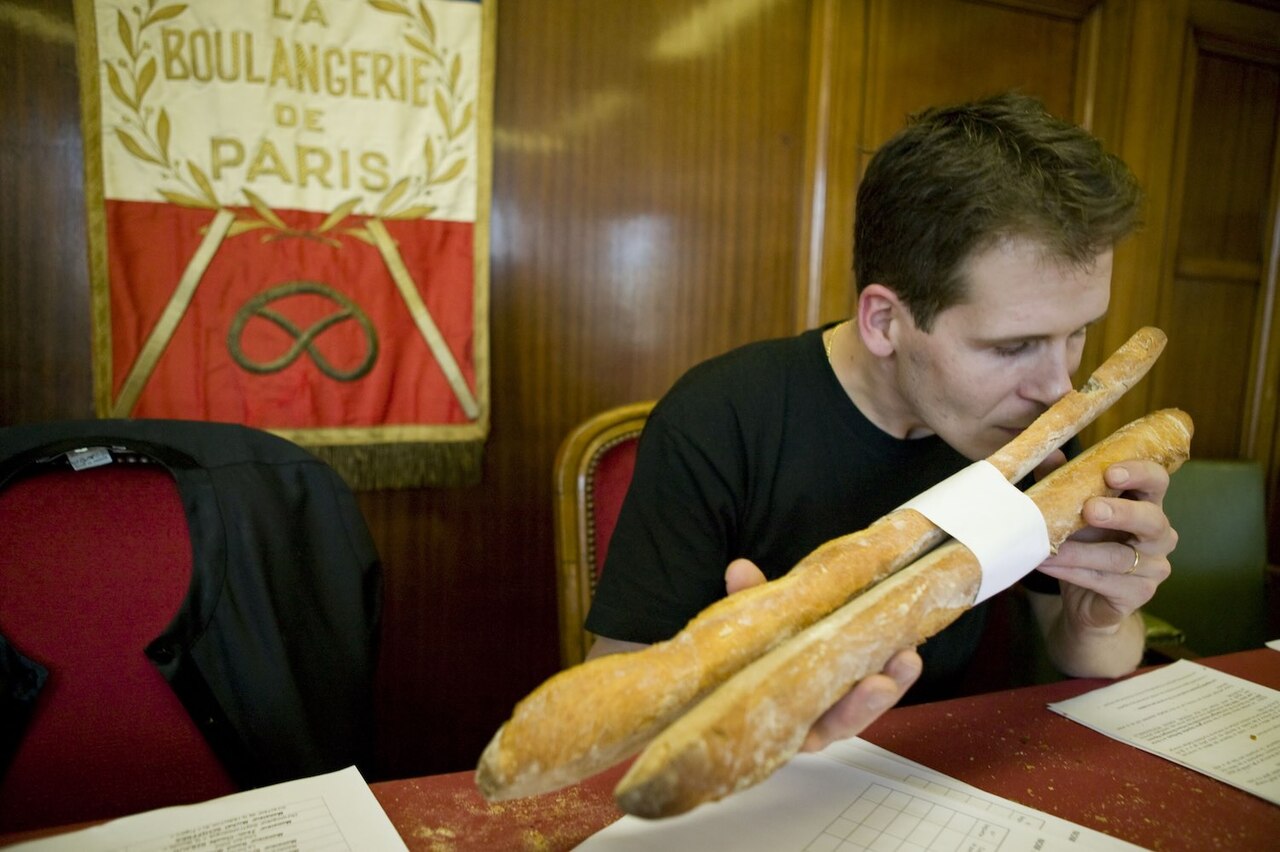
The Paris Baguette Grand Prix: A Culinary Quest for Perfection
Every year, as spring breathes new life into the cobblestone streets of Paris, a culinary tradition awakens that stirs the hearts of bakers and food lovers alike: the Grand Prix de la Baguette de Tradition Française de la Ville de Paris. More than just a competition, it's a sacred quest to crown the city's creator of the *meilleure baguette paris* – the very best traditional baguette that the French capital has to offer. Since its inception in 1994, this prestigious event, organized by the City of Paris with the support of the Confédération Nationale de la Boulangerie-Pâtisserie Française (CNBBPF) or its local equivalent, the Syndicat des Boulangers du Grand Paris, has not only celebrated a cornerstone of French heritage but also launched ordinary bakers into culinary stardom.
The allure of the Grand Prix goes far beyond a simple cash prize. It’s about national recognition, a profound boost to local business, and the unparalleled honor of supplying the French presidential palace, the Élysée, for an entire year. For any baker, winning the title of *meilleure baguette paris* is the ultimate validation, a testament to years of dedication, skill, and an unwavering commitment to the purest baking traditions. It’s a contest that captures the essence of French gastronomy, embodying both its meticulous standards and its deep-seated cultural pride in something as seemingly simple, yet profoundly complex, as a loaf of bread.
Crafting Perfection: The Strict Standards for the Meilleure Baguette
To even be considered for the title of *meilleure baguette paris*, competing bakers must adhere to an incredibly rigorous set of specifications, ensuring that every entry truly represents the "baguette de tradition française." These rules aren't arbitrary; they are deeply rooted in the 1993 Décret Pain, a law established to protect the authenticity of traditional French bread against industrial imitation.
Here’s what it takes to enter the fray:
- Ingredients: A true "baguette de tradition" can only be made from four essential components: wheat flour, water, salt, and yeast or a natural leaven. No additives, no preservatives, no shortcuts. This strict adherence ensures a pure, unadulterated flavor and texture.
- Dimensions: The baguette must precisely measure between 55 and 65 centimeters in length (some sources cite 50-55 cm) and weigh between 250 and 300 grams (some sources 250-270 grams). This consistent sizing is not just for uniformity; it influences the baking process, ensuring the perfect balance of crust and crumb.
- Salt Content: In a nod to public health, entries must now comply with strict regulations on salt content, limiting it to approximately 1.4 to 1.8 grams per 100 grams of bread or per kilo of flour. This demonstrates an evolution in traditional baking, balancing heritage with contemporary health considerations.
- Handmade Process: The Décret Pain explicitly states that these baguettes must be entirely kneaded, shaped, and baked on the premises where they are sold. This emphasizes the artisanal nature of the craft and the unique touch of each baker.
These exacting requirements ensure that every baguette submitted is a genuine article of French culinary heritage. It’s a level playing field where skill, precision, and passion are the only distinguishing factors. For those seeking to understand the nuances that differentiate a good baguette from a truly exceptional one, delving into these criteria is key. For more on the specifics, explore
How Paris Judges the Meilleure Baguette: Criteria for Perfection.
The Rigorous Journey to the Top: Judging Paris's Finest
The judging process for the Grand Prix is as meticulous as the baking itself. It takes place in the heart of Paris, often at the Chambre professionnelle des artisans boulangers-pâtissiers on Île Saint-Louis. To ensure impartiality, all baguettes are submitted anonymously, identified only by numbers, eliminating any bias towards well-known boulangeries. Each year, around 200 bakers eagerly submit their finest creations, hoping to catch the discerning eye – and palate – of the jury.
The jury itself is a fascinating blend of expertise and everyday Parisian taste. It comprises:
- Baking Professionals: Experienced master bakers who understand the intricate science and art of bread-making.
- Specialized Journalists: Food critics and writers with a keen sense for quality and trends in the culinary world.
- Elected Officials: Representatives from the City of Paris, highlighting the competition's civic importance.
- Randomly Selected Parisians: Since 2020, six ordinary Parisian citizens are chosen by lot to participate. This inclusion is vital, ensuring that the *meilleure baguette paris* appeals not just to experts but also to the daily consumer who savors this staple.
The evaluation is based on five critical criteria, each weighted equally from 0 to 4 points:
- Appearance (L’aspect): Does the baguette have a beautiful, golden-brown crust? Are the slashes (coupes) well-defined? Is its shape elegant and traditional?
- Baking Quality (La cuisson): Is the crust perfectly crisp but not burnt? Does it have that characteristic crackle when pressed? This indicates a perfectly controlled bake.
- Crumb Texture (La mie): When sliced, is the crumb airy, irregular, and creamy? A dense, uniform crumb is a sign of poor fermentation or kneading.
- Aroma (L’odeur): Does it exude a rich, yeasty, slightly nutty fragrance? The smell should be inviting and complex.
- Taste (Le goût): Ultimately, this is king. Does it deliver a satisfying flavor profile – slightly tangy, wholesome, with a delicate balance of sweetness and salt?
Only around thirty baguettes make it past the initial screening to the final round, where intense scrutiny determines the top ten, culminating in the announcement of the undisputed champion. Unsold entries are often donated to charitable organizations, embodying the spirit of community and reducing food waste.
Fame, Fortune, and the Élysée: What Awaits the Winner
The rewards for winning the Grand Prix de la Baguette de Tradition Française are truly transformative. The champion of the *meilleure baguette paris* doesn't just walk away with a medal and a symbolic €4,000 cash prize; they gain something far more valuable: unparalleled recognition and a year-long contract to supply the Élysée Palace.
Imagine the honor: every single day, the French President and their staff enjoy baguettes baked by your hands. This prestigious contract, initially for a year, became more formalized after 2013, with a public procurement process. Ridha Khadher, the winner in 2013 (and supplier in 2014), notably secured this contract and, as he confirmed in 2018, became the sole supplier since then – a testament not only to his skill but also to the quality and consistency required for such a high-profile client. His success story, as a baker of Tunisian origin supplying the Élysée and even accompanying President Macron on a trip to Tunisia, stands as a powerful symbol of successful integration and the unifying power of French tradition.
Beyond the Élysée, the winning bakery experiences an exponential increase in foot traffic and sales. Locals and tourists alike flock to the newly crowned establishment, eager to taste the *meilleure baguette paris* for themselves. It’s not uncommon to see queues snaking down the street, as customers vie for a slice of history and a taste of perfection. This surge in popularity can lead to international notoriety, enhancing the baker's reputation and often securing their place in Paris's culinary lore for years to come. For an in-depth look at this coveted contract, refer to
The Quest for Paris's Best Baguette: Élysée Palace Supplier.
Finding Your Own Meilleure Baguette in Paris
While only one baker can win the Grand Prix each year, the ongoing pursuit of the *meilleure baguette paris* is a delightful journey for any visitor or resident. Here are some tips for finding an exceptional baguette, whether it's the official winner or a hidden gem:
- Look for the Queue: A line out the door, especially outside peak hours, is often a strong indicator of quality. Parisians know good bread, and they’re willing to wait for it.
- Check for the "Baguette de Tradition" Sign: Many boulangeries proudly display signage indicating they bake "baguette de tradition," signaling adherence to the Décret Pain standards.
- Inspect the Exterior: A great baguette should have a deep, golden-brown crust with irregular, well-defined slashes. Avoid pale, overly uniform, or burnt loaves.
- Listen and Feel: Give the baguette a gentle squeeze or tap. It should feel light and airy, and the crust should audibly crackle.
- Savor the Aroma: A truly fresh baguette will have a rich, complex aroma that hints at fermentation and fresh wheat.
- Visit the Winners: Every year, a list of the top ten baguettes is published. Make it a culinary quest to visit a few of these esteemed boulangeries!
- Buy Fresh: Baguettes are best enjoyed within hours of baking. Buy them frequently and enjoy them immediately.
The competition elevates the standard for all Parisian bakers, inspiring them to continually refine their craft. The joy of a truly great baguette – its crispy crust, airy interior, and nuanced flavor – is an experience that defines French culinary culture.
In conclusion, the Paris Baguette Grand Prix is far more than a simple baking contest; it is a vibrant annual celebration of French tradition, artisanal skill, and unwavering dedication to quality. It not only bestows fame and fortune upon its deserving winners but also reinforces the cultural significance of the baguette as an everyday masterpiece. The quest for the *meilleure baguette paris* is an enduring testament to the belief that even the simplest ingredients, when handled with expertise and passion, can achieve culinary transcendence, enriching the lives of millions and upholding a cherished national heritage.